Residential Drain Cleaning for Bathrooms: Tubs, Showers, and Sinks

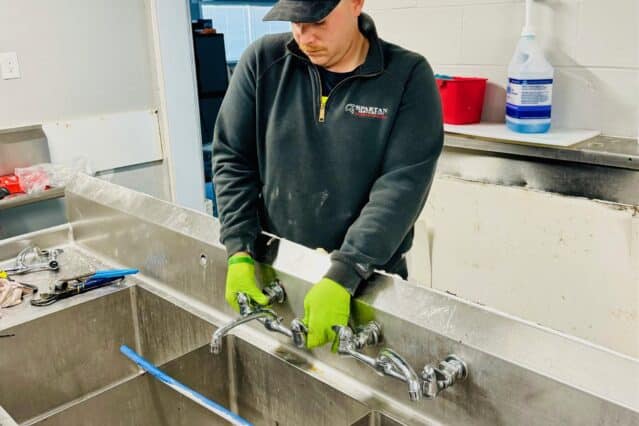
Bathroom drains rarely fail all at once. More often, they slow down in ways homeowners learn to work around. The sink takes an extra minute to empty after shaving. The shower pan starts holding a shallow pool around your feet. The tub makes that familiar gulping sound, then drains eventually, just not before leaving a ring of soap scum at the waterline. By the time people search for Residential Drain Cleaning, they are usually dealing with a problem that has been building for weeks or months.
Bathrooms are where drain issues become personal fast. Kitchen clogs are messy, but bathroom clogs interrupt routines people depend on every day. A blocked vanity sink affects brushing teeth, washing hands, and getting ready for work. A slow shower drain turns a five-minute rinse into standing in gray water. A tub clog can make bathing children a chore and leave behind odor that seems to cling to the whole room. Because these fixtures are used constantly and often in tight spaces, drain maintenance in bathrooms calls for a practical, fixture-specific approach rather than a one-size-fits-all fix.
The good news is that most bathroom drain problems follow predictable patterns. Hair, soap residue, toothpaste, skin oils, mineral scale, and the occasional dropped object account for the bulk of what plumbers pull out of residential lines. The challenge is knowing which issues respond well to simple cleaning, which call for mechanical tools, and which signal a deeper problem in the branch line behind the wall or under the floor.
Why bathroom drains clog differently
A bathroom sink, a shower, and a tub may all connect to the home’s drainage system, but they do not clog https://maps.app.goo.gl/mX11CYkbb5ZNxz8o6 in the same way. That distinction matters. The best method for cleaning a pop-up sink assembly is not the same method that clears a shower trap packed with long hair, and neither is quite right for an older tub shoe where decades of residue have narrowed the opening.
Bathroom sinks collect a sticky mixture that plumbers know well. Toothpaste dries and hardens. Soap binds with minerals in the water and forms a stubborn film. Hair from shaving or brushing gets caught around the stopper linkage. Add lotions, cosmetics, and the occasional cotton swab someone swears they did not drop, and the drain begins to constrict from the top down. In many homes, the real clog is only a few inches below the drain opening.
Showers tend to trap long hair before anything else. The hair catches in the strainer, then wraps around itself below the grate. Soap residue coats the mass and gives it body. Once that net forms, it starts snagging everything else. In households with two or more people using the same shower daily, it does not take long. I have seen shower drains reduced to a pinhole opening after less than a year, especially in homes where no one uses a hair catcher.
Tubs are their own category because the stopper assemblies vary. Some lift and turn, some are toe-touch, some use trip levers with linkages that run down into the waste tee. Those moving parts are convenient until they become collection points. Hair and soap collect around the mechanism, then the clog forms deeper where the tub waste line turns toward the trap. Tubs also get exposed to bath products that are harder on drains than people realize, including bath salts, heavy oils, and thick body washes.
The early warning signs homeowners tend to miss
A full blockage feels sudden, but there are usually clues beforehand. The first is a change in draining speed. If a fixture that once cleared almost instantly now lingers, there is buildup somewhere. The second is odor. Bathroom drain odors are often blamed on the room itself, but many come from decomposing organic matter trapped in the upper portion of the line. A third clue is sound. Gurgling after water drains can point to restriction or venting issues, and while not every gurgle means a major problem, it should not be ignored if it is new.
One subtle sign is recurring clogs after what seems like a successful fix. If a homeowner uses a plastic hair tool, removes a wad, and the drain improves for a week only to slow again, the problem may be farther down than the tool reached. Another clue is when more than one bathroom fixture is acting up at the same time. A single slow sink usually means a local clog. A slow tub and sink in the same bathroom may suggest a shared branch issue, especially in older homes.
The case against harsh chemical cleaners
Chemical drain cleaners sell speed, but in residential bathrooms they often create as many problems as they solve. Some products can burn through soft organic material near the top of a clog, yet leave the main mass intact. That partial opening makes the drain seem fixed until the remaining debris swells, shifts, or catches more material. Meanwhile, the chemical sits in the trap or line, exposing metal finishes, old piping, and anyone who later has to disassemble the drain.
This matters even more in older homes with chrome-plated brass, thin-wall metal tubular drains, or aging plastic fittings. Repeated exposure to caustic products can weaken seals and shorten the life of components that were already close to replacement. If a homeowner eventually calls for professional Residential Drain Cleaning, the plumber now has to work around standing chemical residue. That is not just unpleasant. It is a safety issue.
Mechanical cleaning almost always tells you more about the condition of the drain than chemistry does. When you remove a stopper and pull out black sludge wrapped around hair, you know what the problem is. When you snake a line and feel resistance at a specific point, you learn something about the shape and location of the blockage. Chemical products mask that information.
Bathroom sink drains, where simple access solves many problems
Of the three fixtures, bathroom sinks are usually the most straightforward to clean well. In many cases, the real work happens above the trap. Remove the stopper, clean the pivot rod and linkage if needed, and physically extract the buildup. It is not glamorous, but it is effective.
A typical sink clog has layers. The top layer is often a greasy paste made of soap and personal care products. Beneath that sits hair, packed tightly around the stopper body. Deeper still, the tailpiece and trap may hold sediment that narrows the passage. Homeowners often plunge first, but plunging a sink with a stopper clog can compress the mass rather than remove it. If the sink has an overflow opening, plunging without sealing that opening also reduces effectiveness.
When a sink continues to drain slowly after the stopper area has been cleaned, the trap is the next logical place to inspect. In many homes, especially those with children, small objects end up there. Toothpaste caps, hair beads, jewelry backs, and the occasional earring have all turned up in residential bathroom traps. A trap that has been collecting debris for years can also develop a sludge layer along the bottom that catches fresh material and recreates clogs quickly.
If the trap is clean and the drain still runs slowly, the blockage may be in the wall arm or farther into the branch line. At that point, a hand auger used carefully is far more useful than guessing.
Shower drains, the fixture most likely to need routine cleaning
Shower drains are the workhorses of bathroom maintenance. They handle a lot of hair, often without the larger reservoir a tub has, so even minor restrictions become noticeable quickly. A shower can go from perfect to annoying in a surprisingly short time.
One common mistake is assuming that if water eventually goes down, the drain is fine. It is not. A shower base that holds water even for a minute is inviting soap to settle out and build on the pipe walls. That makes the next clog easier to form. Once the line starts retaining residue, the interval between cleanings usually shortens.
Shower drain cleaning works best when approached as removal rather than dissolution. Taking off the strainer and using a proper tool to lift the hair mass usually restores performance immediately if the clog is near the opening. The material pulled out is often larger than homeowners expect. In one ordinary family bathroom, a slow-draining shower turned out to have a rope-like clog nearly eighteen inches long, packed into a shape that perfectly matched the trap bend. No liquid product would have removed that cleanly.
Shower drains can also reveal installation problems. If a newer shower repeatedly clogs despite regular cleaning, the drain body may have rough internal edges, the trap may not have enough pitch beyond it, or construction debris may have been left in the line from the remodel. I have seen tile spacers, grout chunks, and even bits of drywall compound contribute to repeat slowdowns in recently renovated bathrooms.
Tub drains, where the stopper assembly complicates everything
Tub drains frustrate homeowners because the visible opening often looks clear even when the fixture drains poorly. That is because the obstruction may be wrapped around or hanging below the stopper assembly where it cannot be seen from above. Trip-lever tubs are especially notorious. The linkage gives hair a place to snag, and once enough accumulates, the mechanism itself may stop operating smoothly.
Cleaning a tub drain often starts with identifying the stopper style and deciding whether the assembly can be removed without causing a larger issue. Some are simple. Others are delicate, corroded, or awkwardly fitted. In older homes, forcing a stuck assembly can turn a drain cleaning into a repair call.
Tubs also see a wider variety of products than showers. Bath oils and exfoliating scrubs can leave residue that clings tenaciously. Pet bathing adds more hair, often shorter and denser than human hair, which tends to combine with soap into a felt-like mass. In homes where children use bath toys, small pieces can break off and lodge just beyond the stopper. It does not happen often, but when it does, the clog can be oddly resistant because a hard object becomes the anchor for everything else.
When DIY works, and when it stops being smart
There is a reasonable place for homeowner maintenance. There is also a point where persistence does more harm than good. The difference usually comes down to access, tools, and how many times the problem has returned.
A careful homeowner can often manage light cleaning at the fixture opening, especially in sinks and showers. What tends to create trouble is improvisation. Coat hangers scratch finishes and can puncture or dislodge parts. Over-aggressive plunging can loosen old slip-joint connections under sinks. Cheap drill attachments used as snakes can kink in the line or snap off. Once a cable head breaks in a bathroom drain, the repair gets more expensive fast.
The safest homeowner actions are limited, direct, and reversible:
- Remove and clean accessible stoppers, strainers, and visible hair buildup.
- Flush the drain with hot water after physical debris has been removed, not before.
- Inspect the sink trap if it is easy to reach and you are comfortable reassembling it correctly.
- Stop if the clog returns quickly, multiple fixtures are affected, or resistance suggests a blockage beyond the fixture.
- Avoid mixing drain chemicals with any other cleaning product or follow-up method.
That last point is worth stressing. Mixing chemicals, or adding a second product because the first did not work, is one of the more dangerous habits plumbers run into in residential settings.
What professional Residential Drain Cleaning actually involves
Professional drain cleaning for bathrooms is not just running a snake and hoping for the best. A good technician starts by narrowing the problem. Is it isolated to one fixture, one bathroom group, or part of a larger drainage issue? Is the clog in the trap, the branch line, or downstream? Has the homeowner already used chemicals, removed parts, or had similar trouble before?
For simple sink or tub stoppages, a hand auger or small power machine may be enough. The key is matching the cable size and head to the pipe and the type of blockage. Bathroom lines are often relatively small, commonly inch-and-a-quarter or inch-and-a-half at the fixture, moving into larger branch drains. Using too aggressive a machine can damage delicate piping or leave scratch points where new debris will catch.
When a clog is deeper or recurring, camera inspection becomes valuable. Not every bathroom drain needs it, but when slowdowns keep returning, the camera can reveal scale buildup, offset joints, sags, or intrusion from construction debris. In some homes with very hard water, mineral deposits narrow the line enough that hair and soap start catching on what is essentially a rough interior shelf.
Hydro jetting can be effective in the right setting, though it is not the default answer for every bathroom drain. In a larger branch line with heavy residue, jetting can scour the pipe walls more thoroughly than a cable machine alone. In fragile or older piping, however, judgment matters. Cleaning a drain and preserving the pipe are not always the same task, and a responsible technician weighs both.
Recurring clogs often point to a system issue
A drain that clogs once is maintenance. A drain that clogs every month is sending a message. Sometimes the message is behavioral, such as no hair screen in a heavily used shower. Sometimes it is structural. A poorly pitched horizontal run can leave water moving too slowly, which encourages buildup. An oversized stopper mechanism may trap more hair than the drain design can tolerate. In older galvanized lines, internal corrosion can reduce diameter enough that ordinary residue becomes a frequent problem.
Homes with hard water deserve special mention. Mineral scale changes the texture of the pipe interior. Instead of a relatively smooth surface, residue finds rough spots to cling to. Over time, that scale and organic buildup reinforce one another. The result is a drain that seems clean from above but behaves like a partially blocked line all the time.
Vent issues can also mimic clog symptoms. A fixture that drains slowly with intermittent gurgling, especially if nearby fixtures seem to influence each other, may not be dealing with a classic blockage alone. If air cannot move properly through the system, water movement becomes erratic. That is not a problem a bottle of drain cleaner will ever solve.
Prevention is less about products and more about habits
Most bathroom drain maintenance is simple, but it has to be consistent. The people who experience the fewest urgent clogs are not the ones using the strongest products. They are the ones who interrupt buildup before it hardens into a real blockage.
A shower or tub hair catcher is one of the best low-cost tools a homeowner can use, provided it gets emptied regularly. Sink stoppers need occasional cleaning even when the basin seems to drain fine. Hot water rinses help after shaving or washing away heavy soap residue, but only after hair and debris have been kept out in the first place. If the home has hard water, periodic professional cleaning may be more effective than repeated DIY attempts once scale begins to contribute.
Here is where a little realism helps. No prevention method is perfect. A household with three people with long hair, plus a dog washed in the tub twice a month, will have different drain demands than a single-occupant apartment. The goal is not to make bathroom drains maintenance-free. It is to keep small accumulations from becoming disruptive blockages.
A few situations that deserve immediate attention
Some bathroom drain symptoms are worth acting on quickly because delay tends to widen the damage. Water backing up into a tub when the sink drains, sewage odor that persists after cleaning, or repeated overflow around the shower threshold all deserve more than another round of DIY effort. So does leakage under a sink after someone has taken the trap apart and reassembled it.
The same goes for bathrooms in older homes where the piping material is uncertain. What feels like an ordinary clog can expose brittle fittings, corroded drain arms, or patched sections that are already near failure. In those cases, aggressive cleaning can open a leak path that was being held together by old residue and luck.
Homeowners are often surprised to learn that the cheapest drain call is usually the early one. A sink cleaned before the blockage hardens is straightforward. A shower cleared before water repeatedly escapes the pan protects flooring and trim. A tub drain serviced before someone twists a frozen stopper apart avoids the added cost of replacement parts and finish work.
Keeping bathroom drains functional without turning maintenance into a project
The best approach to bathroom drains is practical rather than dramatic. Pay attention when fixtures start slowing down. Remove debris physically when you can see it. Treat recurring clogs as information, not bad luck. Choose methods that clean the line without punishing the pipe. And when the problem is beyond the fixture opening, bring in the right tools before a manageable maintenance issue becomes a repair.
Residential Drain Cleaning is at its best when it is targeted, measured, and informed by how each bathroom fixture actually fails. Sinks clog at the stopper and trap. Showers collect hair fast and need routine intervention. Tubs hide trouble in more complicated assemblies. Once you understand those patterns, drain care stops feeling mysterious. It becomes another part of running a house well, like changing furnace filters or caulking around a tub before water finds a seam. The work is not glamorous, but a bathroom that drains properly is one of those quiet details that makes a home feel clean, functional, and under control.
Spartan Plumbing Services
Address: 760 107th St S, Tacoma, WA 98444
Phone number: +12534998773
FAQ About Residential Drain Cleaning
How much does it cost to have someone clean your drains?
Professional drain cleaning costs between $147 and $352 on average, with most homeowners paying around $246. The final price is heavily determined by the type of drain affected, the clearing method needed, and your geographic location.
How much does it cost to clean a drain line?
Professional drain cleaning costs between $147 and $352 on average, with most standard residential jobs landing right around $246. However, your final bill can scale from $100 to over $800 depending entirely on which drain is clogged and the method required to clear it.
Is professional drain cleaning worth it?
Yes, professional drain cleaning is worth it because it clears deep buildup and prevents expensive plumbing emergencies.